Cycling Training Camp: 6 Keys to Prepare Like a Professional

Cycling Training Camp: 6 Keys to Prepare Like a Professional
Transform your cycling performance through strategic camp preparation combining technical progression, optimal recovery and expert coaching
A cycling training camp represents far more than a simple sporting getaway. It's an investment in your cycling progression, a dedicated period for technical and physical improvement away from daily constraints. Whether you're targeting race preparation, technical refinement, or simply pushing your limits in an exceptional setting, camp success depends entirely on meticulous preparation.
Professional cyclists have long understood this fundamental truth: a poorly prepared camp proves counterproductive, potentially generating fatigue and demotivation. Conversely, a well-orchestrated training camp becomes a genuine performance accelerator and source of lasting motivation.
At Baroudeur Cycling, founded by Jérôme Cousin (former World Tour professional who raced multiple Tours de France), we apply professional training camp principles to ambitious recreational cyclists. Our expertise transforms standard cycling trips into structured performance experiences.
Here are the 6 essential keys to transform your next cycling camp into a successful and memorable experience.
1. Define Precise Objectives Before Hitting the Road
The Compass of Your Progression
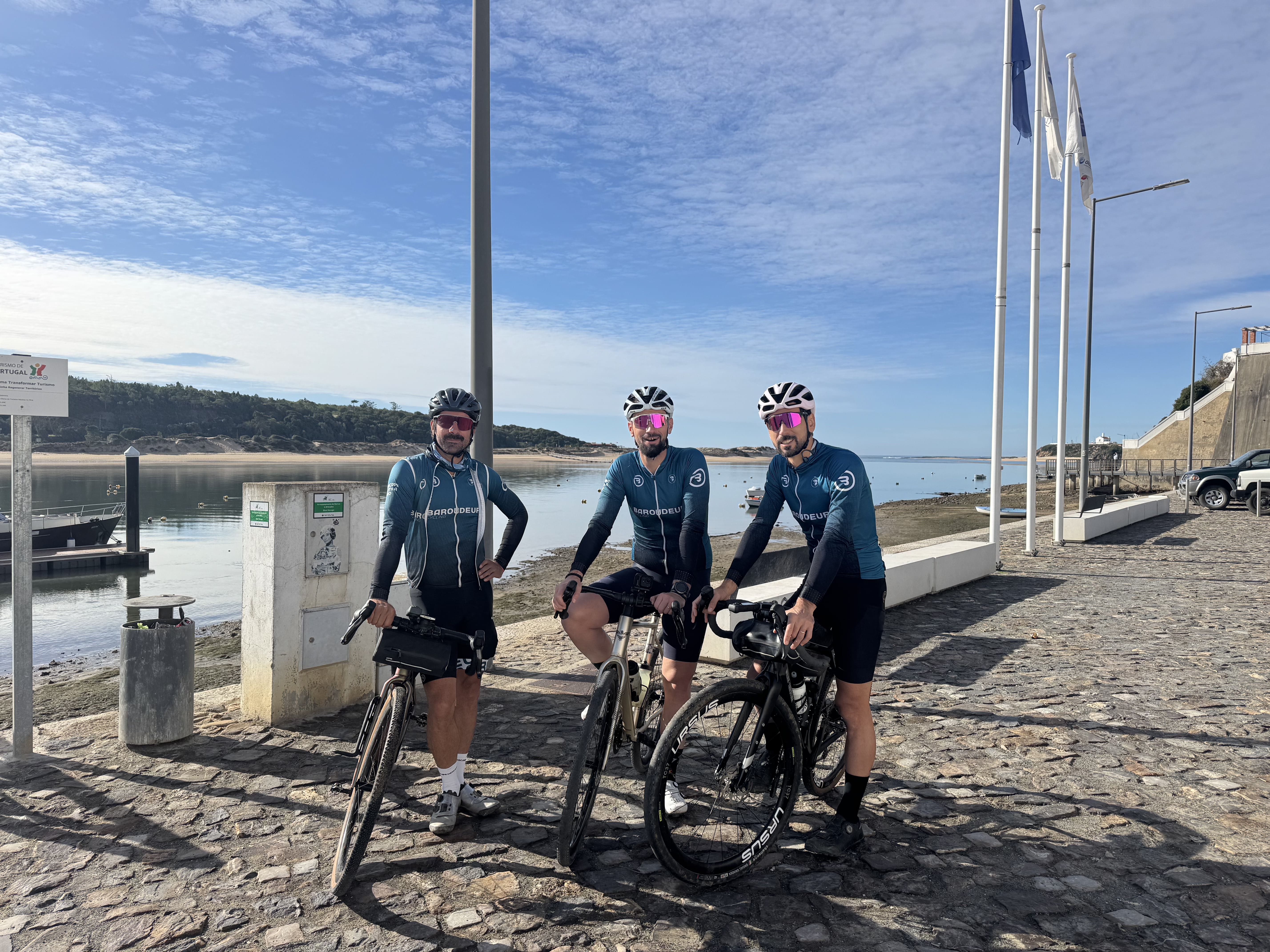
Every cycling training camp begins well before clipping into your pedals. The crucial first step involves clearly identifying why you're going. Base endurance building? Technical improvement? Specific preparation for a sportive? Or simply the pleasure of riding in an exceptional environment?
A well-chosen camp must respond to a precise and measurable intention. Winter camps on the Spanish coast, for example, prioritize base training work over long hours in the saddle under favorable weather conditions. Pre-season camps sharpen power and speed just weeks before first competitive objectives.
The SMART Method Applied to Cycling
Adopt the SMART objectives framework (Specific, Measurable, Achievable, Realistic, Time-bound):
Specific: "Improve my climbing power on 20-minute efforts" rather than vague "get stronger"
Measurable: "Gain 20 watts on a 20-minute threshold test" provides concrete targets
Achievable: Based on your current level and realistic progression margin
Realistic: Consistent with available training time and coaching support
Time-bound: With precise post-camp deadline for assessment
Expert tip: Write down your objectives before choosing your camp. This document becomes your compass for selecting location, road profiles, and appropriate coaching type. Clear objectives allow measuring real progress and adjusting future training accordingly.
Understanding effective training principles helps maximize camp benefits. Learn more about preparing like a professional through proven methods.
2. Choose the Ideal Training Ground at Optimal Timing
The Art of Geographic Selection
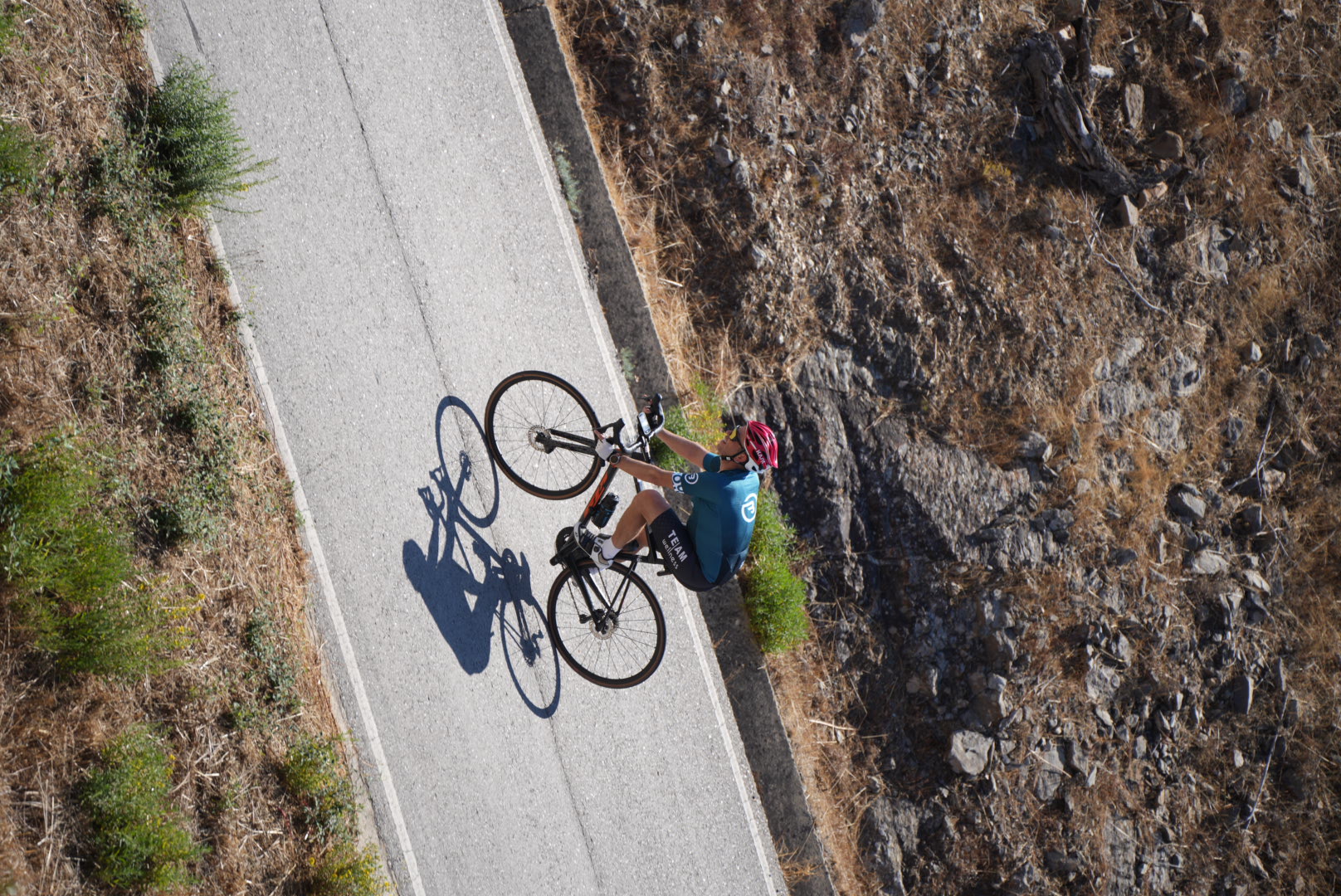
A successful camp requires training grounds worthy of your ambitions. In winter, professional teams systematically favor locations like Calpe, Mallorca, or southern France: mild weather, varied roads, and regular climbs allowing continuous quality work without weather interruptions.
Optimal Camp Location Selection Criteria
Predictable weather: Mild temperatures, moderate wind, low precipitation risk ensures consistent training execution without weather-related cancellations
Topographical variety: Flat roads for base endurance work, climbs for power development, technical descents for bike handling skills
Road safety: Light traffic, excellent road surface conditions, optimal visibility reduces accident risks and allows focused training
Cycling infrastructure: Accessible bike shops, specialized stores, medical services provide security and support when needed
Even without crossing Europe, target an environment breaking from your usual roads: more elevation gain, milder weather, inspiring landscapes. Tailwind on the return leg, pine scent on Mediterranean switchbacks, discovering new panoramas... These sensory details contribute significantly to motivation and effort enjoyment.
Discover our carefully selected cycling holidays in France and Portugal cycling destinations chosen specifically for exceptional training potential and optimal weather conditions.
3. Meticulously Prepare Bike and Physical Condition
The Essential Technical Checklist
Before departure, complete mechanical service proves mandatory to avoid problems during camp. A faulty bike can ruin multiple training days and compromise your entire camp objectives.
Mandatory technical service components:
Complete transmission: Chain wear assessment and replacement if needed, cassette condition check, derailleur alignment and cable tension, smooth shifting across entire range
Braking system: Brake pad thickness verification and replacement, cable condition or hydraulic fluid check, disc rotor trueness, consistent braking power
Tyres: Optimal pressure for your weight and conditions, sidewall wear inspection for cuts or damage, tread condition assessment
Bearings: Headset adjustment eliminating play, bottom bracket smoothness check, wheel bearing condition verification
Electronics: Battery full charge for computer and electronic shifting, firmware updates applied, backup battery availability
Real-condition testing: Complete a long ride (3-4 hours) with your complete setup 10 days before camp. This identifies potential malfunctions and allows corrections in time without last-minute stress.
Progressive Physical Preparation
The classic mistake involves arriving tired at camp after maintaining high training loads immediately beforehand. Gradually increase volume and intensity 2-3 weeks before departure, then decrease training load 4-5 days before to arrive fresh and ready.
Recommended preparation protocol:
Week -3: Usual training volume plus 20% increase, moderate intensity maintained
Week -2: Maximum weekly volume achieved, targeted intensity sessions introduced
Week -1: 30% volume reduction whilst maintaining some intensity work
Days -3 to -1: Active recovery only, stretching sessions, massage if available
This progressive approach ensures you arrive at camp with accumulated fitness but fresh legs ready for intensive training. Learn effective long-distance fueling strategies applicable throughout training camps.
4. Optimize Communication with Coaching Staff
Productive Technical Dialogue
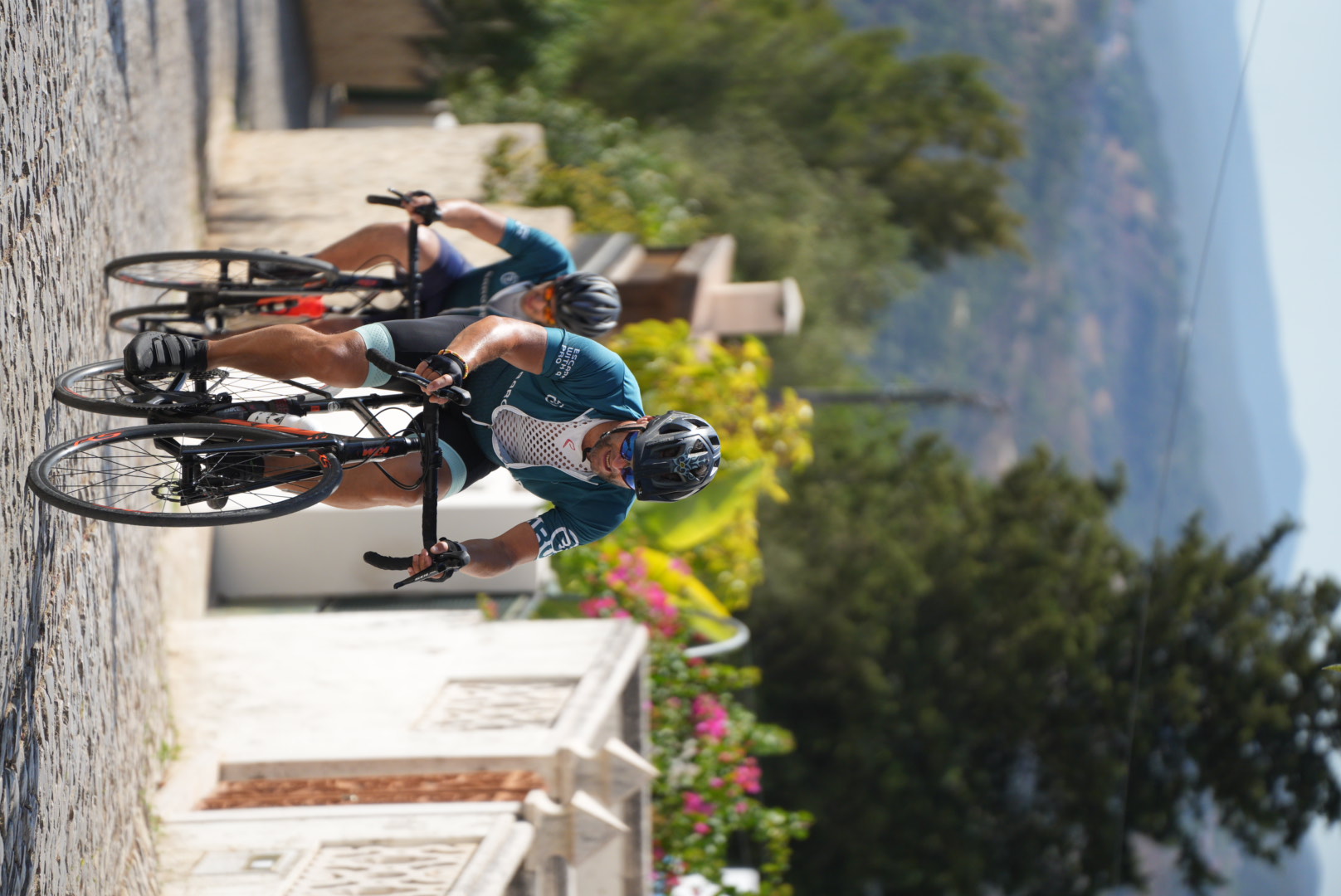
A cycling camp primarily provides qualified human support. Present coaches exist to help you reach your objectives, but they cannot guess them through telepathy. Clear communication from arrival optimizes coaching efficiency dramatically.
Points to Address Immediately
Specific objectives and target deadlines: Share your goals clearly so coaches can structure appropriate sessions
Identified weaknesses to work on: Technical skills needing improvement, physical limitations to address
Training preferences: Morning versus afternoon rider, solo work versus group sessions, preferred session structures
Physical or technical limitations to respect: Previous injuries, flexibility restrictions, handling confidence levels
Expectations for feedback and analysis: Desired detail level for data review, preferred communication style
Examples of Constructive Requests
"I want to improve my descending technique on winding roads with consistent braking and line choice"
"I need help optimizing my peloton positioning to reduce energy expenditure in group rides"
"I want to work on my consistency during long efforts without power fluctuation"
This proactive approach allows daily programme adaptation and avoids frustrations or misunderstandings that compromise camp effectiveness.
5. Cultivate the Global Experience Beyond Cycling
The Human Dimension of Training Camps
The magic of a cycling training camp isn't limited to hours spent in the saddle. Convivial moments participate fully in experience success: shared meals discussing the day's efforts, technical discussions over morning coffee, evening tactical briefings, road anecdote exchanges amongst riders.
These moments strengthen group cohesion and give meaning to collective effort. A dinner after a long day in the saddle—heavy legs but light spirits—creates lasting bonds and nourishes long-term motivation beyond the camp itself.
Tips to Maximize Experience
Actively participate in collective moments: Meal times, evening briefings, coffee stops all contribute to camp atmosphere
Share your sensations and technical questions: Others benefit from your observations whilst you receive diverse perspectives
Stay open to other participants' advice: Experienced riders often share valuable insights from years of riding
Document the experience: Photos, training logbook entries, personal reflections capture memories and learning
Enjoy local cultural discoveries: Regional cuisine, historical sites, local traditions enhance the overall experience
Personal enrichment far exceeds the sporting framework and often constitutes primary motivation for repeating the camp experience year after year.
Discover our bespoke cycling trips designed around your specific preferences and objectives.
6. Master Performance Recovery and Nutrition
The Science of Active Recovery
Significantly increasing training load implies proportionally intensifying recovery quality. This equation determines training load assimilation capacity and real progression achieved from camp efforts.
Optimized Recovery Protocol
Hydration: Replace 150% of fluid losses (weight lost through sweating) to account for continued losses post-exercise
Stretching: 15-20 minutes post-effort focusing on posterior chain (hamstrings, glutes, calves) maintains flexibility
Nutrition: 30-minute post-effort metabolic window proves crucial for optimal glycogen replenishment and muscle repair
Sleep: 8-9 hours per night minimum, bed before 10:30 PM ensures adequate recovery hormone release
Active recovery: 45-60 minutes at very easy pace on designated recovery days flushes metabolic waste without additional fatigue
Performance Nutrition During Camp
Even 1% dehydration can reduce your performance by 10%. Drink regularly during and after each ride. Plan minimum one bottle per hour of effort and a carbohydrate-protein recovery drink within 30 minutes post-effort.
Ideal nutritional distribution for training camps:
Carbohydrates: 6-8g per kg body weight daily (primary fuel source for endurance training)
Proteins: 1.2-1.6g per kg body weight daily (muscle repair and adaptation)
Fats: 20-25% of total caloric intake (sustained energy and vitamin absorption)
Hydration: 35-40ml per kg body weight plus sweat compensation (varies with temperature and intensity)
Systematically plan recovery pace days or half-days. These sessions transform accumulated fatigue into lasting progression through adaptation processes.
Read our comprehensive mountain cycling nutrition guide for detailed fueling strategies applicable to intensive training camps.
What You Won't Find Anywhere Else
Baroudeur Cycling Expertise in Training Camps
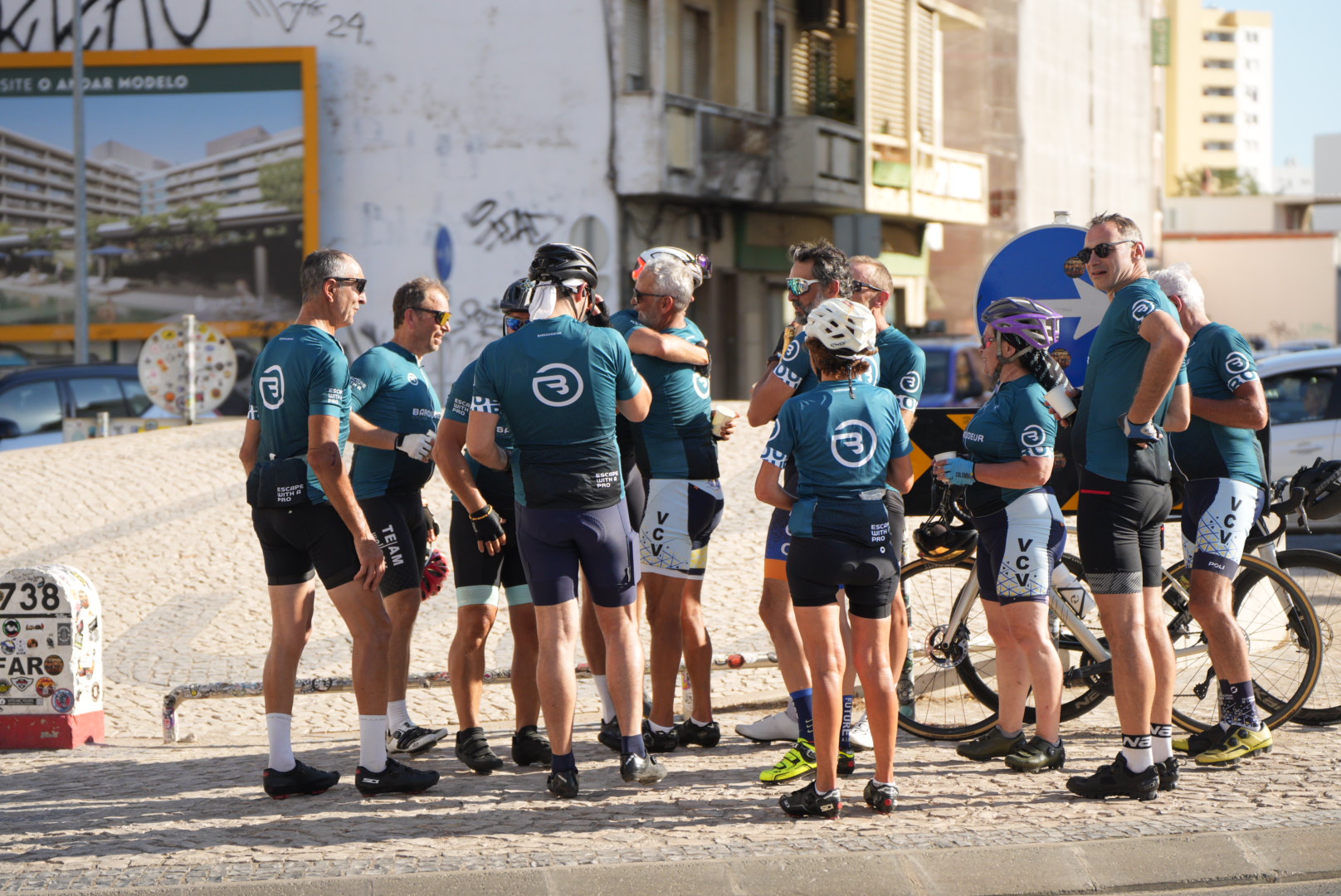
At Baroudeur Cycling, each camp combines performance, pleasure, and safety through a unique approach refined over years of professional experience:
Field-validated routes: All our courses are recognized and mapped by local experts—experienced cyclists perfectly knowing regional specificities. Road safety, topographical interest, and landscape beauty receive systematic evaluation before inclusion.
Personalized coaching: Support adapts to each participant's profile. Data-focused performance coaching for competitive riders, friendly and reassuring guidance for recreational cyclists. This flexibility guarantees optimal progression for all levels.
Strategic accommodations: Our lodging selection prioritizes proximity to ride departures, maximizing saddle time whilst minimizing transfers. Secure bike storage, cyclist-adapted breakfast timing, recovery equipment availability all feature in selection criteria.
Post-camp follow-up: Support doesn't stop at return. Data analysis, personalized training plan creation, 3-month progression tracking sustainably capitalizes on camp investment beyond the immediate experience.
Explore our road cycling holidays and gravel cycling adventures structured around training camp principles.
Exclusive Statistics from Our 2024 Camps
Out of 240 participants in our 2024 training camps:
89% declare exceeding their initial objectives through structured training and expert coaching
76% register for a second camp within the year, demonstrating experience satisfaction
Average power progression: +12 watts on 20-minute threshold test after single week camp
94% recommend the experience to their cycling circle, our strongest endorsement
These results demonstrate the tangible performance benefits of properly structured training camps with professional support.
Frequently Asked Questions
What's the ideal duration for a first cycling camp?
5 to 8 days depending on objective and experience level. Beginners favor 5 days avoiding overload and excessive fatigue, whilst experienced cyclists can target 7-8 days for thorough training block achieving significant adaptations.
Is there a minimum level required to participate?
No minimum level required. Our programmes adapt to all abilities through multiple level groups with specific coaching. The essential requirements are motivation and genuine desire to progress. Read about avoiding beginner mistakes for additional confidence.
Can you rent a bike on-site?
Yes, available upon request during booking. We offer high-end bike rental perfectly maintained and adjusted to your morphology. Ideal for testing equipment before purchase or traveling light without bike transport hassles.
What happens in case of bad weather?
Systematic route adaptation and indoor alternative sessions if necessary. Connected trainers, technical video analysis, nutrition and training conferences maintain pedagogical quality even when outdoor riding proves impossible or dangerous.
How do you manage cumulative fatigue during camp?
Permanent sensation monitoring, daily intensity adaptation based on feedback, mandatory active recovery sessions, available massage services. Experienced coaching monitors load-to-recovery balance preventing overtraining whilst maximizing training stimulus.
Can training camps help prepare for specific events?
Absolutely. Camps provide concentrated training blocks ideal for event preparation. Whether targeting sportives, gran fondos, or competitive races, structured camps accelerate fitness gains. Our custom cycling trips can focus specifically on your target event requirements.
The Investment That Transforms Your Cycling
A cycling training camp transcends simple kilometre and elevation accumulation. It's a suspended moment where technical progression, human sharing, and riding pleasure combine in an exceptional environment. Well-prepared and well-lived, it becomes a key stage in your cycling season and a memory nourishing long-term motivation.
Magic operates in this unique alchemy between structured effort, geographic discovery, and collective emulation. Each participant leaves with concrete technical acquisitions, measurably improved physical condition, and especially the irrepressible desire to push their limits further.
The concentrated nature of camp training—multiple consecutive days of quality work—generates adaptations impossible to achieve through standard weekly training patterns. The immersive environment eliminates daily life distractions, allowing complete focus on cycling progression.
Professional cyclists use training camps as cornerstone preparation for their racing seasons. This proven approach translates perfectly to ambitious recreational riders seeking significant performance improvements within compressed timeframes.
Beyond physiological gains, training camps provide psychological benefits: renewed motivation, expanded comfort zones, increased confidence tackling challenging terrain, and lasting friendships with like-minded passionate cyclists.
Ready to take a definitive step forward in your cycling practice?
Discover our upcoming Baroudeur Cycling holidays and transform your passion into concrete, measurable progression. Whether you're drawn to French mountain passes, Portuguese coastal routes, or gravel adventures exploring hidden trails, our camps provide structured progression in inspiring settings.
Contact us today to discuss your objectives and find the perfect training camp matching your ambitions, schedule, and preferred riding style.