Rota Vicentina: Gravel bike
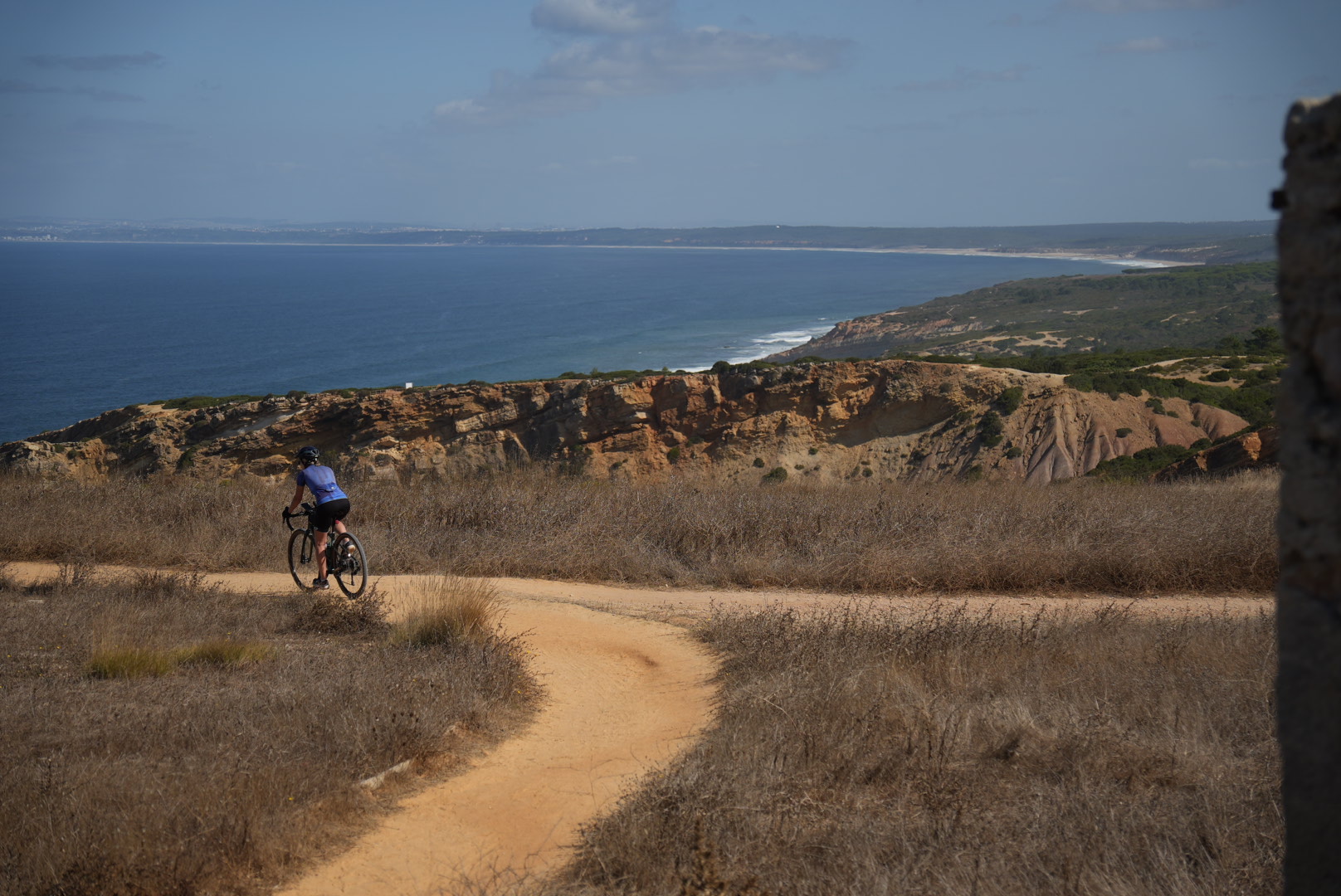
Rota Vicentina by bike: a premium gravel journey through wild Portugal
An exclusive traverse of Portugal's southwest coast where raw Atlantic beauty meets seamless logistics and expert guidance
The Rota Vicentina isn't simply "a cycle path"—it's a call to roam, an immersion into one of Europe's last truly untamed coastlines. From Santiago do Cacém down to Cape St. Vincent, this iconic corridor threads approximately 230 kilometres through dramatic cliffs, forgotten whitewashed villages, empty beaches and ancient cork-oak forests that define Portugal's wild Atlantic character.
At Baroudeur Cycling, we've transformed the Rota Vicentina into a premium gravel adventure: the best sections, the smartest variants, and the invisible logistics that make the experience feel effortless. Built from real terrain knowledge and refined by Jérôme Cousin (former WorldTour professional), this represents Portuguese gravel in its most sensory, free—and comprehensively supported—form.
If you're also considering a road cycling camp or different touring formats, Portugal remains one of Europe's most complete cycling destinations offering year-round riding excellence.
Why the Rota Vicentina stands apart from conventional gravel routes
A protected wilderness corridor through Southwest Portugal
The Rota Vicentina traverses the Southwest Alentejo and Vicentine Coast Natural Park—one of Europe's best-preserved coastal ecosystems. This protected status ensures minimal development, authentic villages maintaining centuries-old traditions, and landscapes largely unchanged by mass tourism.
Route characteristics:
- Total distance: Approximately 230 kilometres marked tracks
- Riding duration: 5 to 6 days at sustainable pace
- Terrain variety: Fast hardpack, forest singletrack, looser gravel sections, occasional sandy patches
- Scenery: Dramatic cliff formations, pristine beaches, cork-oak forests, traditional Alentejo plains
- Protection status: Natural Park guaranteeing long-term preservation
What makes it exceptional:
Unlike many European coastal routes now heavily commercialised, the Rota Vicentina maintains genuine wilderness character. You'll ride entire days encountering perhaps a dozen people, pass through villages where traditional Portuguese life continues authentically, and experience the raw power of the Atlantic without tourist infrastructure diluting the experience.
This concentrated dose of Portugal at its most authentic delivers gravel cycling in its freest, most visceral form—precisely why we've made it a cornerstone of our Portugal gravel programmes.

The key stages: Baroudeur's expert-refined selection
Santiago do Cacém to Cercal: warm-up in deep Alentejo
Distance: Approximately 35 kilometresTerrain: Gentle rolling gravel through agricultural plainsCharacter: Rural immersion and rhythm-finding
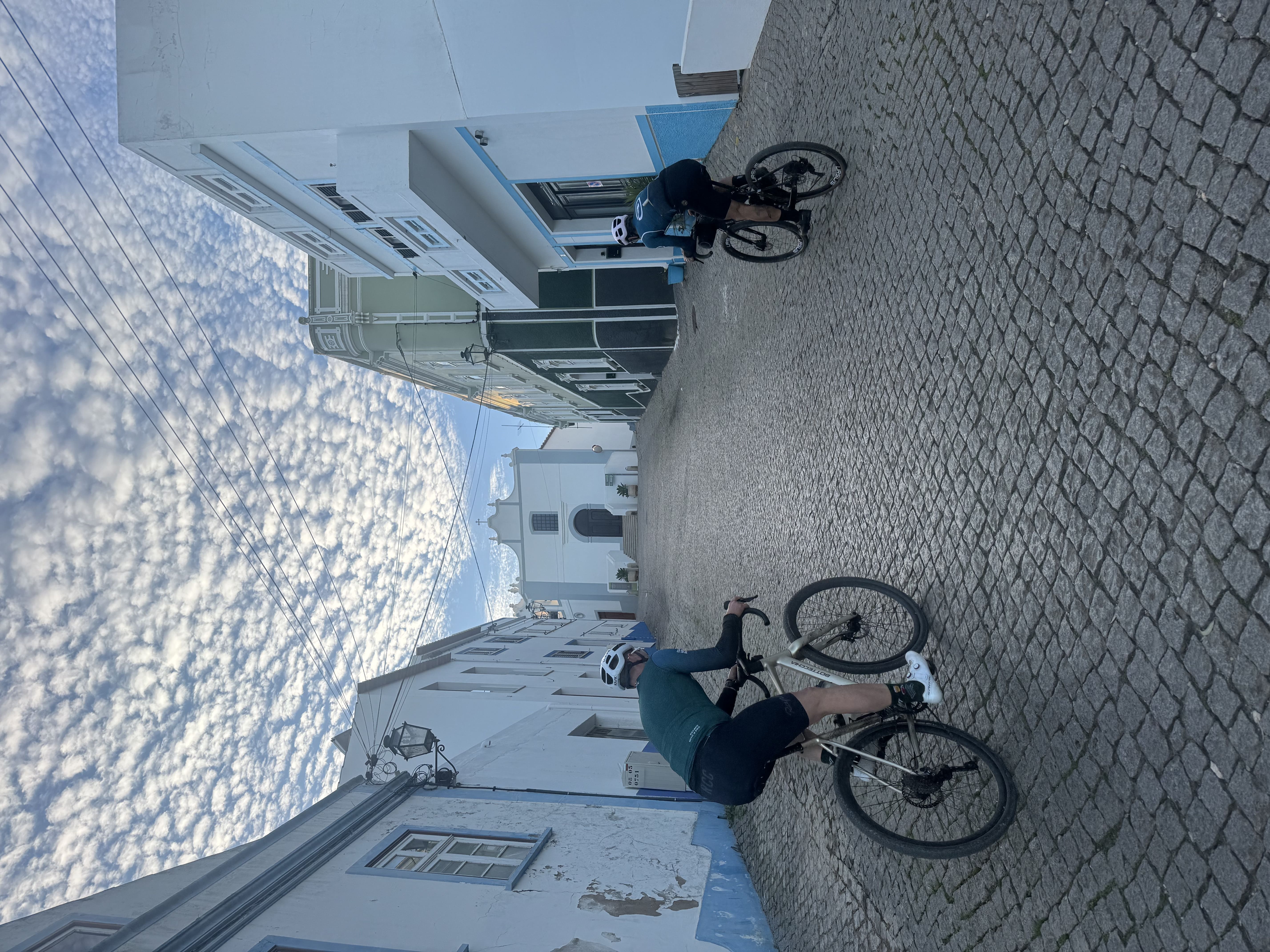
Your first pedal strokes roll through quintessential Alentejo landscapes—endless olive groves, fragrant eucalyptus forests, and wide golden plains dotted with traditional whitewashed farmhouses. The pace feels deliberately unhurried, perfect for settling into your riding rhythm, dialing bike setup, and letting travel tension dissolve into pedalling meditation.
This opening stage echoes the atmospheric qualities found in our Portugal National 2 route segments traversing Alentejo's heart—that sense of space, silence, and timeless Portuguese rural character.
Cercal to Zambujeira do Mar: first Atlantic encounter
Distance: Approximately 40 kilometresTerrain: Increasingly coastal character with ocean viewsCharacter: Transition from inland plains to dramatic coastline
The route gradually leans toward the ocean, building anticipation through subtle elevation changes and shifting vegetation. You'll pass near Odeceixe where the landscape transforms dramatically—black schist cliffs plunge into turquoise Atlantic waters, wild beaches remain accessible only via trail, and that constant west wind begins its persistent whisper reminding you to maintain smooth, steady cadence.
Professional tip: This section rewards consistent pacing over explosive efforts. The wind exposure increases significantly, so keep your cadence steady and save energy for the coastal kilometres ahead where gusts can suddenly spike power requirements.
Zambujeira to Aljezur: deep into Natural Park territory
Distance: Approximately 45 kilometresTerrain: More technical with sharper climbs and descentsCharacter: Transition zone revealing Algarve's wilder personality
Climbs become noticeably sharper here, descents more technical and demanding confident bike handling. You'll feel the geographical shift toward the Algarve's lesser-known interior—rolling pastures, dense pinewoods releasing resinous fragrance, and tucked-away beaches known primarily to local fishermen.
Aljezur represents a genuine highlight: castle ruins crowning the hillside, authentic Portuguese restaurants serving regional specialities, and that satisfying end-of-stage atmosphere where effort transforms into accomplishment over dinner.
This terrain perfectly complements our broader Algarve gravel adventures showcasing the region's diverse off-road character.
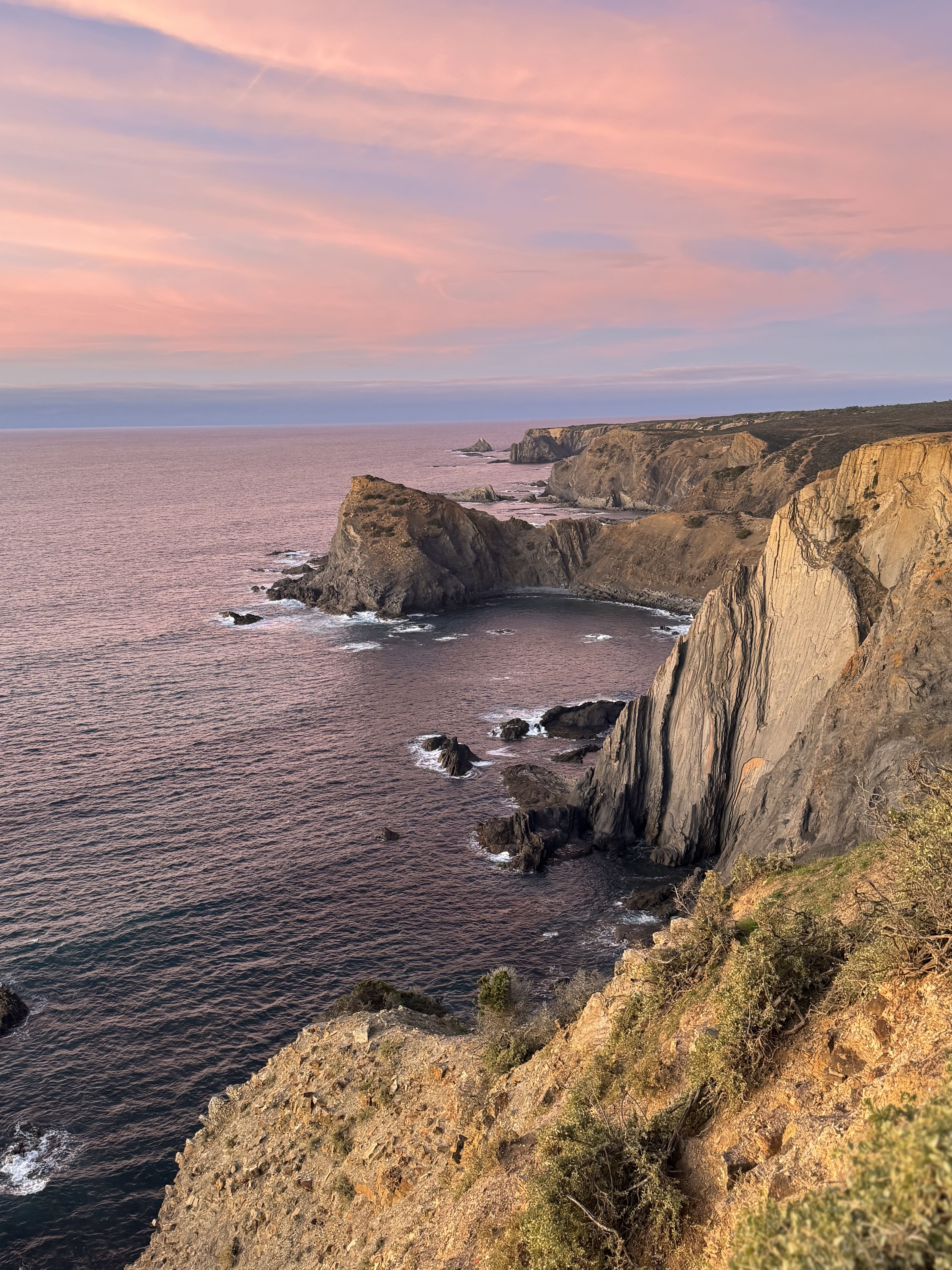
Aljezur to Carrapateira: surf spots and spectacular solitude
Distance: Approximately 35 kilometresTerrain: Panoramic clifftop tracks with ocean exposureCharacter: Cinematically beautiful with demanding wind exposure
Monte Clérigo. Arrifana. Carrapateira. These aren't just waypoints—they're legendary surf spots backed by some of Portugal's most dramatic coastal scenery. This section feels genuinely cinematic: panoramic tracks following cliff edges, the Atlantic exploding hundreds of metres below, and that rare sensation of being utterly alone with wind, ocean, and bicycle.
Professional insight: The terrain naturally invites surging efforts when panoramas open up spectacularly. Resist this temptation early in the stage—wind exposure here costs significant energy, and you'll appreciate conserved reserves when crosswinds channel through coastal gaps later.
Carrapateira to Sagres: approaching Europe's southwestern threshold
Distance: Approximately 40 kilometresTerrain: Increasingly exposed with looser, sandier surfacesCharacter: Raw, elemental, historically resonant
Bigger beaches. Smaller, more isolated villages. Progressively more exposed tracks where Atlantic weather systems arrive unfiltered. Surface composition shifts noticeably—sandier, looser in places—demanding smarter line choice and technical handling skills beyond standard gravel competence.
Sagres arrives with genuine landmark quality: centuries of maritime history, fortress walls testament to Portugal's Age of Discovery, and that palpable sense of reaching a geographic threshold where Europe yields to ocean.
This stage forms the dramatic conclusion of our Lisbon to Sagres gravel tour, connecting capital to cape across 300+ kilometres of exceptional Portuguese terrain.
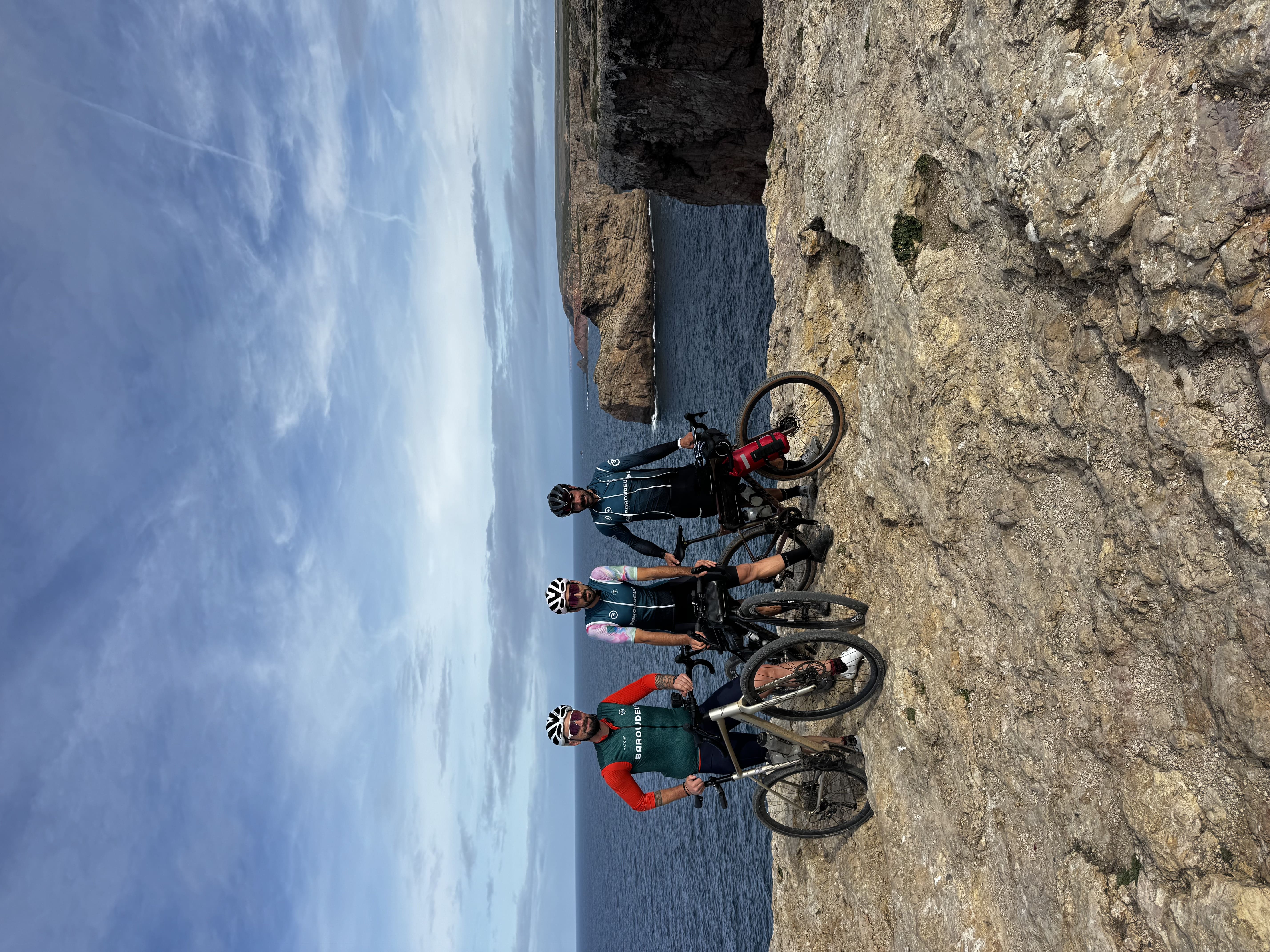
Sagres to Cape St. Vincent: the final compass point
Distance: Approximately 8 kilometresTerrain: Exposed clifftop with powerful windCharacter: Emotional culmination and symbolic finish
The final kilometres deliver pure, unfiltered emotion: cliffs rising vertically from churning Atlantic swells, gusts snapping at jersey fabric, and the iconic red lighthouse standing like geographical punctuation marking continent's end.
This isn't merely an endpoint—it's a finish you feel viscerally, a place where physical achievement merges with Portugal's maritime heritage and the raw power of nature meeting civilisation's edge.
For riders seeking extended adventures, the Cape can also serve as the southern terminus of ambitious north-south traverses, including variants of our Faro to Lisbon gravel journey.
Terrain profile and difficulty assessment
Surface composition (typical distribution)
60% fast, rolling gravel and hardpack: Well-maintained forestry tracks and agricultural roads providing efficient progression at sustainable speeds.
25% technical sectors: Looser gravel demanding precise line choice, occasional sand patches requiring momentum management, rocky sections testing handling skills.
15% quiet asphalt connections: Small paved lanes linking gravel segments, providing brief recovery opportunities whilst maintaining forward progress.
Elevation characteristics
Total climbing: Approximately 2,500–3,000 metres cumulative depending on specific route variants chosen.
Daily elevation: 400–600 metres typical, with significant variability between stages.
Climb character: Numerous short, punchy rollers rather than sustained alpine-style ascents. Demands efficient power delivery and rapid recovery between efforts.
Recommended rider profile
Experience level: Intermediate to advanced gravel cyclists
Daily capability: Comfortable sustaining 60–70 kilometres with mixed terrain and variable weather exposure
Technical skills: Confident on loose surfaces, capable line choice in sandy conditions, competent descending on technical gravel
Physical preparation: Solid endurance base, comfortable with consecutive multi-hour riding days, accustomed to wind exposure
For riders preparing their first extended gravel adventure, consult our first cycling trip guide to avoid critical mistakes that compromise experience quality.
Bike setup and equipment: what works optimally here
The ideal gravel configuration
Tyres: 40–45mm width with mixed tread pattern
- Fast-rolling centre knobs for hardpack efficiency
- Substantial side knobs for cornering grip on loose surfaces
- Tubeless setup strongly recommended for puncture resistance
Gearing options:
2× drivetrain: 46/30 chainrings with 11-36 cassette
- Provides widest gear range versatility
- Optimal for riders who also ride road regularly
- Better suited to headwind sections requiring higher gears
1× drivetrain: 42T chainring with 11-36 (or easier) cassette
- Simpler operation with fewer components
- Adequate range for most riders on this route
- Preferred by pure gravel enthusiasts
Braking system: Disc brakes non-negotiable
- Long technical descents demand sustained braking power
- Variable traction surfaces require precise modulation
- Hydraulic strongly preferred over mechanical
For comprehensive equipment guidance, consult our touring bike selection guide.
Luggage strategy: two proven approaches
Lightweight bikepacking (self-supported minimalism):
- Frame bag, seatpack, handlebar roll
- Total luggage weight under 8kg
- Maximum rider freedom and bike handling
- Requires careful packing discipline
Full comfort with Baroudeur luggage transfers:
- Ride completely unladen each day
- Full luggage access nightly for comfort and recovery
- Eliminates weight penalty and handling compromise
- Allows broader clothing and equipment choices
If you prefer avoiding airline bicycle hassles entirely, our Portugal bike rental service provides high-quality gravel bikes perfectly suited to Rota Vicentina demands, delivered directly to your starting accommodation.
Optimal timing: when to ride the Rota Vicentina
Spring (March–May): the sweet spot season
Why it's optimal:
- Mild temperatures (15-22°C) perfect for extended riding
- Greener landscapes with wildflower displays
- Generally stable weather patterns
- Quieter trails before summer tourist influx
- Ideal balance between comfort and scenery
This represents our most recommended period for experiencing the Rota at its finest—when effort feels pleasurable rather than survival-focused.
Summer (June–August): challenging but manageable
Considerations:
- Inland Alentejo temperatures frequently exceed 30°C
- Coastal sections benefit from Atlantic cooling
- Strategy crucial: dawn starts (6-7am), extended midday rest (1-5pm), evening continuation possible
- Significantly higher accommodation demand requiring advance booking
- Beach access provides natural cooling opportunities
Autumn (September–November): the underrated excellence
Why we love it:
- September and October often exceptional
- Warm afternoon light creating photographic magic
- Dramatically fewer tourists post-summer
- Calmer, more contemplative riding rhythm
- Late autumn (November) introduces increased Atlantic weather variability
For many experienced cyclists, autumn represents the Rota's finest season—trading guaranteed sunshine for authentic atmosphere and genuine solitude.
Winter (December–February): for hardy adventurers only
Reality check:
- Temperatures rarely extreme (8-16°C typical)
- Wind and rain variability significantly increased
- Reward: Total trail solitude and rawer coastal character
- Requires comprehensive weather gear and flexible mindset
- Not recommended for first-time Rota riders
Fuelling and pacing: making it enjoyable, not survival
Energy management principles
Even absent alpine-scale climbing, the Rota Vicentina's combination of repeated rollers, persistent wind exposure, and consecutive long days demands intelligent energy management preventing accumulated fatigue.
Nutrition strategy:
- Snack consistently: Don't wait for hunger signals—maintain steady fuelling every 45-60 minutes
- Hydrate continuously: Even cool coastal temperatures mask dehydration risk
- Control intensity spikes: Tempting panoramas and tailwind sections invite unsustainable surges
- Evening recovery: Prioritise protein and carbohydrate intake within 30 minutes post-ride
For comprehensive nutritional guidance, consult our long-distance cycling fuel guide and mountain nutrition strategies applicable to extended gravel adventures.
Pacing for consecutive days
The fundamental principle: Today's surplus becomes tomorrow's deficit.
Resist temptation to "smash" early stages feeling fresh. The Rota demands sustainable rhythm maintained across multiple consecutive days. Riders finishing each stage feeling pleasantly tired rather than destroyed will progress stronger daily whilst those overextending early often struggle mid-week.
For training preparation strategies, review our cycling training camp guide applicable to extended gravel adventures.
The Baroudeur Cycling difference: beyond standard touring
Expert route knowledge refined through experience
Our Rota Vicentina routes aren't simply traced from maps—they're tested, refined and continuously optimised through years of guiding experience. We prioritise safety, natural flow, optimal scenery, and technical interest over "shortest possible line."
What this means practically:
- Strategic surface selections minimising unnecessary technical difficulty
- Wind exposure managed through intelligent routing
- Village timing optimised for lunch stops and cultural discovery
- Emergency bail-out options identified for weather contingencies
Invisible logistics (noticed only when absent)
Daily luggage transfers: Your bags magically appear at each evening's accommodationBike-friendly lodging: Secure storage, washing facilities, appropriate breakfast timingMechanical support: Tools, spares, and expertise available when neededPre-ride briefings: Daily route overview, weather considerations, points of interestPost-ride analysis: Route debrief, technical feedback, next-day preparation
These elements transform good rides into exceptional experiences—the difference between managing logistics and simply riding.
Group atmosphere adapting to individual style
Small group sizes (typically 8-12 riders maximum) enable genuine camaraderie without overwhelming social pressure. Whether you ride like Nicolas (performance-driven, data-focused) or Clara (experience-first, scenery-oriented), the adventure adjusts to accommodate varied preferences whilst maintaining cohesive group energy.
For understanding our approach to personalised experiences, explore our bespoke cycling trip philosophy.
Extended Portuguese gravel options
Complementary routes for longer adventures
Algarve gravel exploration: Discover our premium Algarve gravel holidays exploring interior trails beyond coastal focus.
Lisbon to Sagres traverse: The complete Atlantic journey connecting capital to cape across 300+ kilometres.
Faro to Lisbon adventure: Our south-to-north gravel traverse combining Algarve interior with Vicentina Coast.
National Route 2: For road-focused alternative, consider the legendary N2 traversing Portugal's complete 739-kilometre length.
Book your Rota Vicentina gravel adventure
Three service formats matching your preferences
Premium guided experience:
- Expert leadership throughout
- Complete logistics management
- Strategic accommodation selection
- Group meals fostering camaraderie
- Mechanical and navigational support
Semi-guided format:
- Comprehensive routebook with detailed mapping
- Pre-ride briefings and daily support
- Luggage transfers and accommodation
- Independent riding with safety net
Custom-built adventure:
- Your preferred dates and duration
- Personalised pace and daily distances
- Route variants matching interests
- Tailored support level
Standard itinerary:
- Start: Santiago do Cacém
- Finish: Cape St. Vincent
- Recommended duration: 6 days / 5 nights minimum
- Total distance: Approximately 230 kilometres
- Difficulty: Intermediate to advanced
The wild Portuguese coast awaits. Now you write the next chapter.
For complete programme details and availability, explore our Portugal gravel cycling holidays or contact our team for custom trip planning.
FAQ: Rota Vicentina by gravel bike
What's the best bike for the Rota Vicentina?
A robust gravel bike with 40–45mm tyres, reliable disc brakes, and climbing-friendly gearing—either compact 2× (46/30) or easy-ratio 1× (42T with 11-36 or easier cassette). Tubeless setup strongly recommended for puncture resistance on varied surfaces.
Is it suitable for beginner gravel riders?
Some northern Alentejo sections suit beginners with good general fitness, but the complete traverse requires strong endurance foundation and confidence on mixed surfaces—particularly given wind exposure and occasional sandy technical sections. Consider our 5 beginner mistakes guide before committing.
Can I complete it fully self-supported?
Absolutely. However, the Baroudeur format (optimised routing, reserved bike-friendly accommodation, luggage transfers, mechanical support) eliminates significant friction points and dramatically enhances experience quality—particularly for first-time Rota riders unfamiliar with Portuguese logistics.
Which service format do you recommend?
Guided if you want maximum flow, expert daily decisions, and energising group atmosphere. Semi-guided if you value autonomy with comprehensive safety net. Custom if you require fully tailored experience matching specific dates, pace, or route preferences.
How many days should I allocate?
5–7 days represents ideal duration for complete traverse without excessive rushing. Alternatively, ride curated "best-of" selection in 3–4 stages if time constrained. We can adapt itinerary to available schedule whilst maintaining experience quality.
What about cycling in France?
We offer equally exceptional France cycling holidays providing complementary European gravel and road experiences with different terrain character and cultural immersion.
Article based on Baroudeur Cycling terrain expertise, refined through years guiding the Rota Vicentina