What is gravel ?
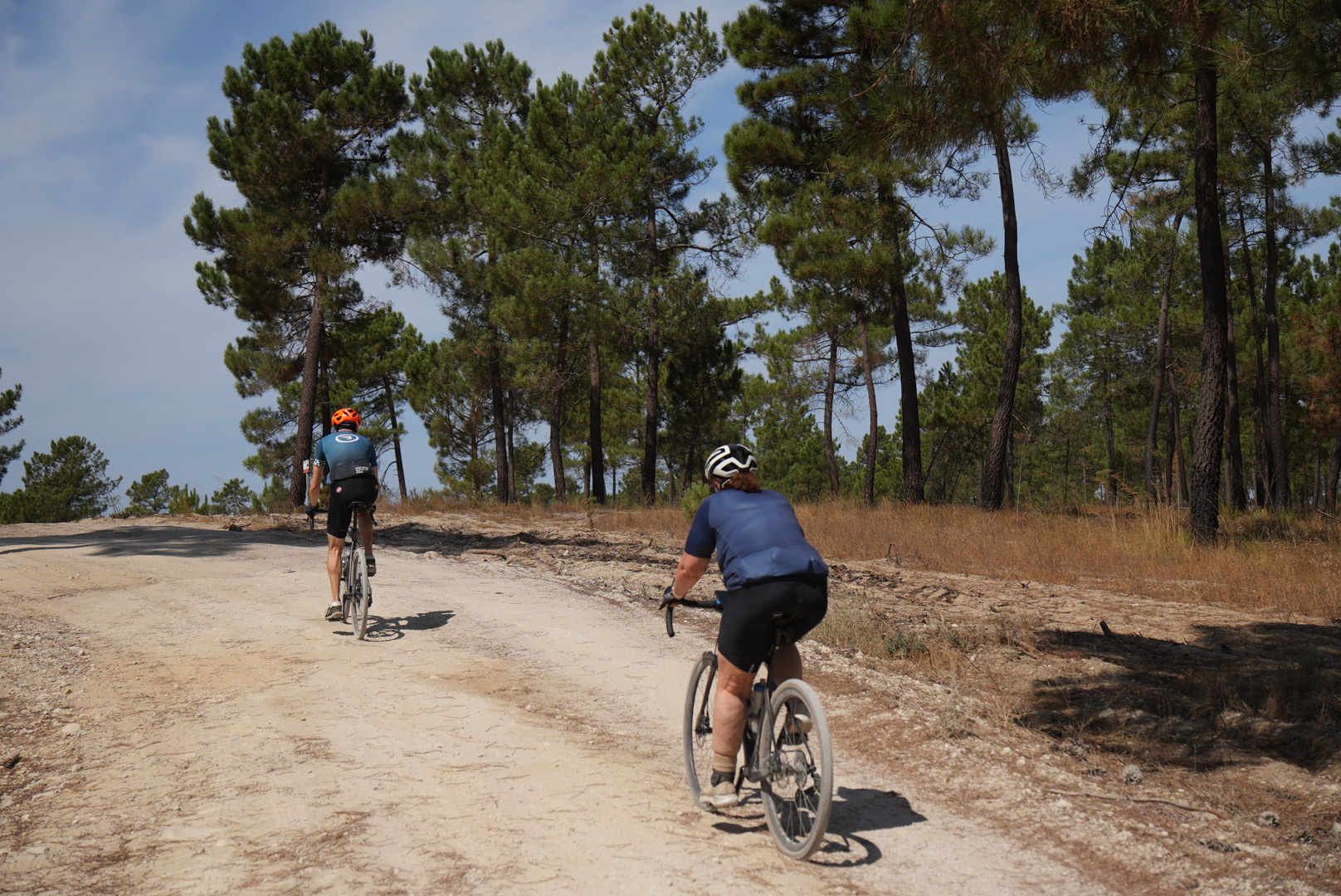
What is gravel ?
Definition, terrain types and skill levels explained
Discover gravel cycling—the versatile discipline combining road efficiency, off-road adventure, and unlimited exploration freedom across diverse terrain
Gravel cycling represents both a bike type and a liberating philosophy that's revolutionising how cyclists experience adventure. At its core, gravel encompasses versatile bicycles capable of riding efficiently on paved roads whilst confidently tackling unpaved paths, and more profoundly, a discipline oriented toward adventure, exploration, and freedom—leaving asphalt behind to connect remote villages, traverse forests, and ride "the long course" without depending on major traffic corridors.
At Baroudeur Cycling, we define gravel cycling as a mindset: riding far, riding varied terrain, and adapting equipment to conditions rather than limiting routes to equipment capabilities. This fundamental shift transforms cycling from constrained infrastructure dependency into genuine territorial exploration.
Discover the Baroudeur gravel universe where professional expertise meets authentic adventure.
Gravel cycling: a discipline transcending "all-road" limitations
The evolution from constraint to freedom
Gravel cycling developed as an elegant solution to a concrete need: escaping major roads to ride secondary routes—often unpaved—rediscovering space, tranquillity, and the pure pleasure of choosing your own line through landscapes inaccessible to conventional road bikes.
Contrary to common misconception, gravel cycling doesn't limit itself to "gravelly paths." It encompasses a broad spectrum of unpaved yet rideable surfaces creating infinitely varied experiences:
Compact forest tracks: Well-maintained forestry roads providing smooth, fast progression through woodland environments whilst maintaining that essential off-pavement character.
Rural country lanes: Agricultural access roads connecting farms and villages, often featuring packed earth or fine gravel surfaces that roll efficiently under appropriate tyres.
Agricultural dirt roads: Working tracks serving fields and orchards, typically harder-packed during dry conditions, occasionally challenging after rain—quintessential gravel terrain.
Stabilised trails: Purpose-maintained paths using compacted materials creating reliable surfaces suitable for laden touring bikes and bikepacking adventures.
Cobbled or rough sectors: Historic paved sections, deteriorated asphalt, or naturally rough terrain demanding technical handling skills beyond simple pedalling endurance.
What defines authentic gravel character: Permanent variability. Routes described as "rolling" may contain technically demanding passages, whilst "committed" parcours can transform into flowing sections kilometres later. This unpredictability creates gravel's essential appeal—every ride delivers unique challenges requiring adaptive skills.
For improving terrain management technique, explore our comprehensive gravel riding skills guide.
Gravel terrain classification: practical categories for equipment, pressure, and technique
Gravel cyclists typically seek maximising unpaved portions—earth, gravel, forest or agricultural tracks. However, not all gravel routes present equal challenges. This clear classification framework helps navigate equipment choices, riding technique, and route selection.
Category 1—accessible and fast rolling gravel
Terrain characteristics: Hardpacked dirt or heavily compacted gravel creating surfaces approaching asphalt quality. Ideal entry-level gravel providing confidence-building introduction to off-road cycling.
Equipment recommendations:
- Tyres: 28-32mm width sufficient
- Tread pattern: Minimal knobs, semi-slick centre section
- Pressure: Higher PSI maintaining speed whilst providing adequate traction
Real-world example: Portugal's Algarve region offers extensive hardpacked tracks depending on specific zones and route selection—perfect for experiencing gravel's freedom without intimidating technical demands.
Experience this terrain through our Algarve gravel tour combining accessibility with authentic adventure.
Category 2—classic gravel with irregularities
Terrain characteristics: Loose gravel featuring potholes, minor ruts, tighter cornering requirements, and alternating surface conditions demanding attention and bike handling skills.
Equipment recommendations:
- Tyres: 32-38mm width providing comfort cushion
- Tread pattern: Light knobbing for improved cornering grip
- Pressure: Moderate reduction enabling surface conformity
Skill development: This category rewards developing smooth weight transfer, effective braking modulation, and line choice anticipation—fundamental gravel competencies applicable across all terrain types.
For comprehensive bike and setup selection guidance, consult our touring bike selection guide.
Category 3—committed and technical gravel
Terrain characteristics: Less-maintained paths featuring exposed stones, sandy sections, irregular elevation changes, and demanding passages requiring confident bike handling and route-reading abilities.
Equipment recommendations:
- Tyres: 38-42mm width essential for control and comfort
- Tread pattern: Pronounced side knobs securing cornering traction
- Pressure: Significantly reduced enabling tyre deformation over obstacles
Technical demands: Success here requires mastering weight distribution during technical climbs, confident descending on loose surfaces, and strategic gear selection maintaining momentum through challenging sections.
Develop these capabilities through our focused gravel technique guide.
Category 4—extreme and mountain gravel
Terrain characteristics: Degraded mountain tracks, "rock gardens," technical descents, roots, substantial rocks, and significant elevation gain creating genuine adventure cycling challenges.
Equipment recommendations:
- Tyres: 42mm+ width, potentially 650b large-volume setup
- Tread pattern: Aggressive knobbing approaching mountain bike specification
- Pressure: Minimal PSI balancing traction with pinch-flat protection
Commitment level: This terrain demands comprehensive off-road skills, robust equipment, and realistic self-assessment. Not entry-level gravel, but incredibly rewarding for prepared, experienced riders.
For mountain gravel inspiration and nutrition strategies, explore guides applicable to demanding terrain and sustained efforts.
Why embrace gravel cycling as your primary discipline?
The compelling advantages drawing cyclists worldwide
Gravel cycling attracts passionate adherents because it delivers a rare equilibrium: performance + comfort + adventure. You ride more serenely than pure road cycling across imperfect surfaces whilst accessing routes conventional road bikes simply cannot exploit.
Versatility redefining cycling possibilities: One bicycle capable of road riding, track exploration, path navigation—and extended touring. This eliminates the "specialist bike for every discipline" mentality that constrains many cyclists' experiences.
Sustained comfort over extended distances: Gravel geometry typically offers more forgiving positioning than pure performance road bikes, enhanced stability across irregular surfaces, and vibration damping enabling longer comfortable saddle time.
Exploration freedom escaping traffic corridors: Departing congested axes to discover rural roads, forest trails, mountain paths, and villages inaccessible via conventional cycling infrastructure. This geographical liberation transforms cycling from athletic pursuit into genuine territorial discovery.
Comprehensive adaptability matching conditions: Tyre pressure adjustment, gear ratio selection, luggage configuration, route variation—every element customises according to terrain and objectives, creating infinitely variable experiences from single equipment platform.
For preparing short gravel adventures with appropriate equipment and practical logistics, reference our bikepacking preparation guide.
Preparing for gravel cycling without burning out
Building sustainable performance across variable terrain
Gravel cycling demands differently than road or mountain biking: constantly changing surfaces, repeated accelerations out of technical sections, sustained vibration exposure, and occasionally demanding technical passages. Progression follows straightforward principles: endurance foundation + effort management + proper nutrition.
Essential Baroudeur resources for gravel preparation:
Comprehensive training guidance: Structured programmes developing gravel-specific fitness combining endurance, power, and technical skills through progressive overload and recovery integration.
Long-distance ride management: Strategic approaches to pacing, nutrition timing, hydration protocols, and mental preparation enabling successful extended gravel adventures without premature fatigue or discouragement.
Consult our cycling training camp guide and long-distance nutrition strategies for comprehensive preparation frameworks.
Technical skill development: Beyond fitness, gravel rewards developing confident bike handling across varied surfaces—weight distribution awareness, effective braking technique, smooth gear transitions, and strategic line choice through technical sections.
Progressive exposure: Begin with Category 1 terrain building confidence and fundamental skills, gradually progressing toward more technically demanding routes as capabilities develop. Rushing progression creates frustration; patient skill-building delivers sustainable enjoyment.
Experience authentic gravel adventure with Baroudeur Cycling
From weekend rides to transformative expeditions
If you're ready to progress beyond "Sunday gravel rides" toward genuine adventure experiences featuring coherent routes, seamless logistics, appropriate pacing, and professionally selected terrain, Baroudeur Cycling offers curated formats across France and Portugal.
Portugal gravel adventures
Lisbon to Sagres journey: The ultimate Portuguese Atlantic adventure connecting capital to cape across 300+ kilometres of diverse gravel terrain showcasing coastal drama, rural authenticity, and cultural richness.
Faro to Lisbon traverse: Southern Portugal's complete character revealed through carefully selected gravel routes connecting Mediterranean south with central Portuguese heartland.
Algarve star-based exploration: Comfortable format radiating from single quality accommodation, discovering regional gravel diversity without daily luggage logistics—ideal for focused terrain exploration.
Personalised progression and preparation
Professional coaching: Structured cycling coaching programmes developing gravel-specific fitness, technical skills, and strategic thinking for ambitious objectives.
Custom adventures: Bespoke trip planning matching precise preferences—terrain difficulty, daily distances, cultural priorities, and support level—creating perfectly tailored experiences.
Premium equipment access
Portugal bike rental: High-quality gravel bikes eliminating airline hassles whilst ensuring appropriate equipment perfectly maintained and professionally fitted to your requirements.
Essential beginner guidance
First cycling trip mistakes: Avoiding common pitfalls sabotaging initial gravel adventures through preparation, realistic expectations, and proper planning.
Smart cycling investments: Strategic equipment and skill development priorities maximising progression and enjoyment.
Frequently asked questions about gravel cycling
Is gravel cycling closer to road or mountain biking?
Gravel situates between both disciplines: enabling efficient road riding whilst confidently tackling unpaved paths with an exploration-oriented philosophy. Think road bike efficiency meeting mountain bike versatility without either discipline's limitations.
What terrain qualifies as "gravel"?
Any unpaved yet rideable surface: compact tracks, agricultural roads, forest paths, stabilised trails, deteriorated pavement, cobbled sectors. Essentially, everything interesting happening off asphalt that doesn't require full suspension mountain bikes.
Which tyres should I choose?
Terrain dictates: smoother conditions permit narrower, faster-rolling tyres (28-32mm); technical terrain rewards wider, grippier options (38-45mm). Start conservative (35-38mm all-rounders), then specialise based on preferred terrain and riding style.
Is gravel suitable for touring and bikepacking?
Absolutely—gravel represents bikepacking's natural gateway. The discipline's versatility, comfort, and exploration orientation perfectly align with self-supported adventure cycling across varied terrain and extended durations.
Explore comprehensive bikepacking preparation covering equipment, logistics, and strategic planning.
How do I progress quickly in gravel cycling?
Focus three areas simultaneously: endurance foundation enabling sustained efforts, effort management preventing premature fatigue, and technical handling skills building confidence across varied surfaces. Then ride diverse terrain frequently, progressively challenging yourself whilst maintaining enjoyment.
Do I need special equipment to start gravel cycling?
Not necessarily. Many cyclists successfully begin gravel adventures on road bikes with slightly wider tyres (28-32mm), gradually investing in dedicated gravel bikes as commitment and terrain ambitions grow. Start exploring, then specialise equipment matching discovered preferences.
Conclusion: embrace the gravel revolution
Gravel cycling represents more than equipment evolution—it's a fundamental reimagining of cycling's possibilities. By transcending infrastructure constraints and embracing terrain diversity, gravel opens landscapes and experiences previously accessible only through compromise or specialisation.
Whether seeking performance across varied surfaces, comfortable extended-distance touring, or genuine territorial exploration far from congested routes, gravel cycling delivers that rare combination of efficiency, capability, and freedom transforming cycling from constrained sport into limitless adventure.
At Baroudeur Cycling, we've witnessed gravel cycling transform countless riders' experiences—expanding geographical horizons, building confidence across challenging terrain, and rediscovering cycling's fundamental joy: exploring the world at human pace, on your own terms, following curiosity wherever interesting paths lead.
Ready to experience gravel cycling beyond weekend rides? Explore our comprehensive gravel cycling holidays combining professional guidance, curated routes, and seamless logistics enabling focus on what matters—riding, discovering, and experiencing cycling's purest form.
The gravel revolution awaits—where will your next adventure lead?
Article based on Baroudeur Cycling's extensive gravel experience across diverse European terrain